Could YouTube's Discovery Changes Alter How Buyers Find Your Lessons?
YouTube’s discovery and shopping updates can change how viewers enter your content, but they do not replace the basics of clear teaching and a reliable publishing workflow. This guide explains what to watch, what to test, and where Minti Studio helps when your real bottleneck is turning lessons into useful Shorts that people can actually find and watch.
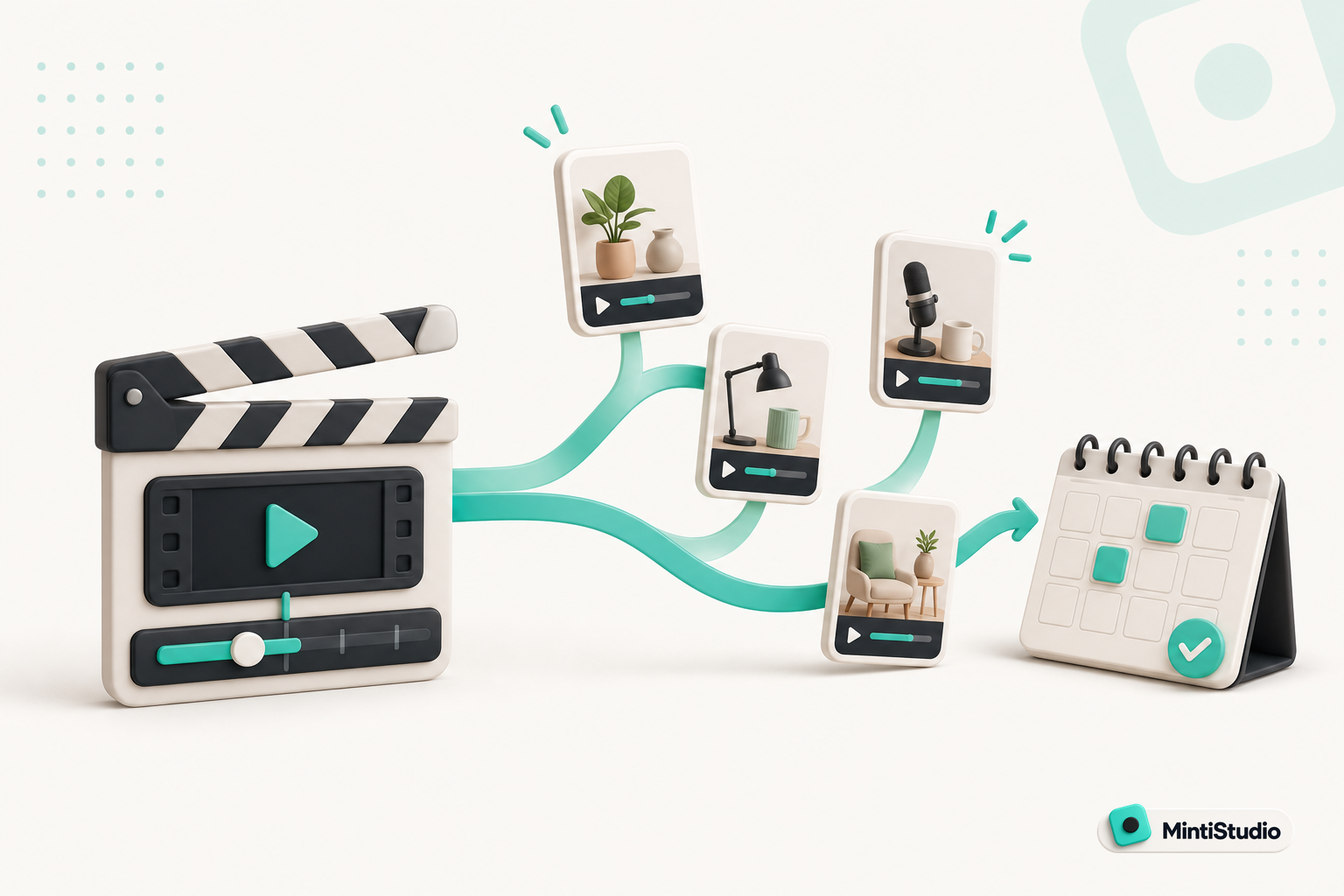
Discovery changes can shift the path, but they do not fix the lesson.
YouTube has announced viewer custom feeds and shopping tools as part of its Made on YouTube updates. For educators, coaches, consultants, and podcasters, that raises a practical question: if the path to your lessons changes, does the way buyers find your expertise change too?
The short answer is that the new surfaces can change where viewers see your content, but they do not change the basics of whether your lesson is clear, useful, and relevant. If your content does not answer a buyer’s question clearly, a new surface will not solve that. If your video does answer the question clearly, these newer surfaces may give it another place to appear.
That is why the right response is not panic.
It is a small set of checks: what YouTube actually announced, what rollout details are confirmed, what your audience already does, and which parts of your workflow you control.
What YouTube announced
YouTube’s Made on YouTube announcement introduced viewer custom feeds and shopping tools as part of its creator-facing updates.
For the latest official details, check the YouTube announcement and YouTube Help:
Viewer custom feeds
The announcement points to a more personalized browsing experience for viewers. The practical implication is that YouTube is continuing to shape what people see based on their interests and behavior.
What is confirmed from the announcement is the direction of the feature: viewers get more control over what they want to see in their feed experience.
Shopping tools
YouTube also announced shopping-related tools. For creators who sell products or services, that matters because it connects discovery with buying paths more directly than a general feed update would.
What is confirmed from the announcement is that YouTube is expanding shopping-related surfaces. What is not safe to assume is that every creator, product, or channel will be eligible in the same way.
What to verify before you rely on either feature
Before you change your strategy, check the official rollout details and eligibility rules in YouTube Help or the announcement itself.
Look for:
- whether the feature is fully available or still rolling out gradually
- whether the feature is available only in certain regions or to certain viewers
- whether shopping tools require product, channel, or account eligibility
- whether your current content format can actually appear in the new surface
Use the official announcement and Help pages as your starting point before you treat any summary or commentary as final.
What this means for lessons that sell
Most educators and coaches do not need a completely new content strategy. They need content that survives a changing discovery path.
That means your lesson should do a few things well:
- open with the question the buyer already has
- deliver the answer quickly
- make the next step obvious
- stay understandable if a viewer meets it cold
If those pieces are in place, your content can work whether someone arrives from search, a recommendation, a Short, or a browsing surface.
Think in buyer questions, not platform features
A buyer rarely thinks, “I want to experience a discovery feed update.”
They think:
- how do I solve this
- what should I buy
- which option is right for me
- what do I need to know before I decide
That is why the most useful videos are often the ones that answer a specific decision question. Those videos are easier to distribute because they are easier to understand.
How viewers may discover you differently now
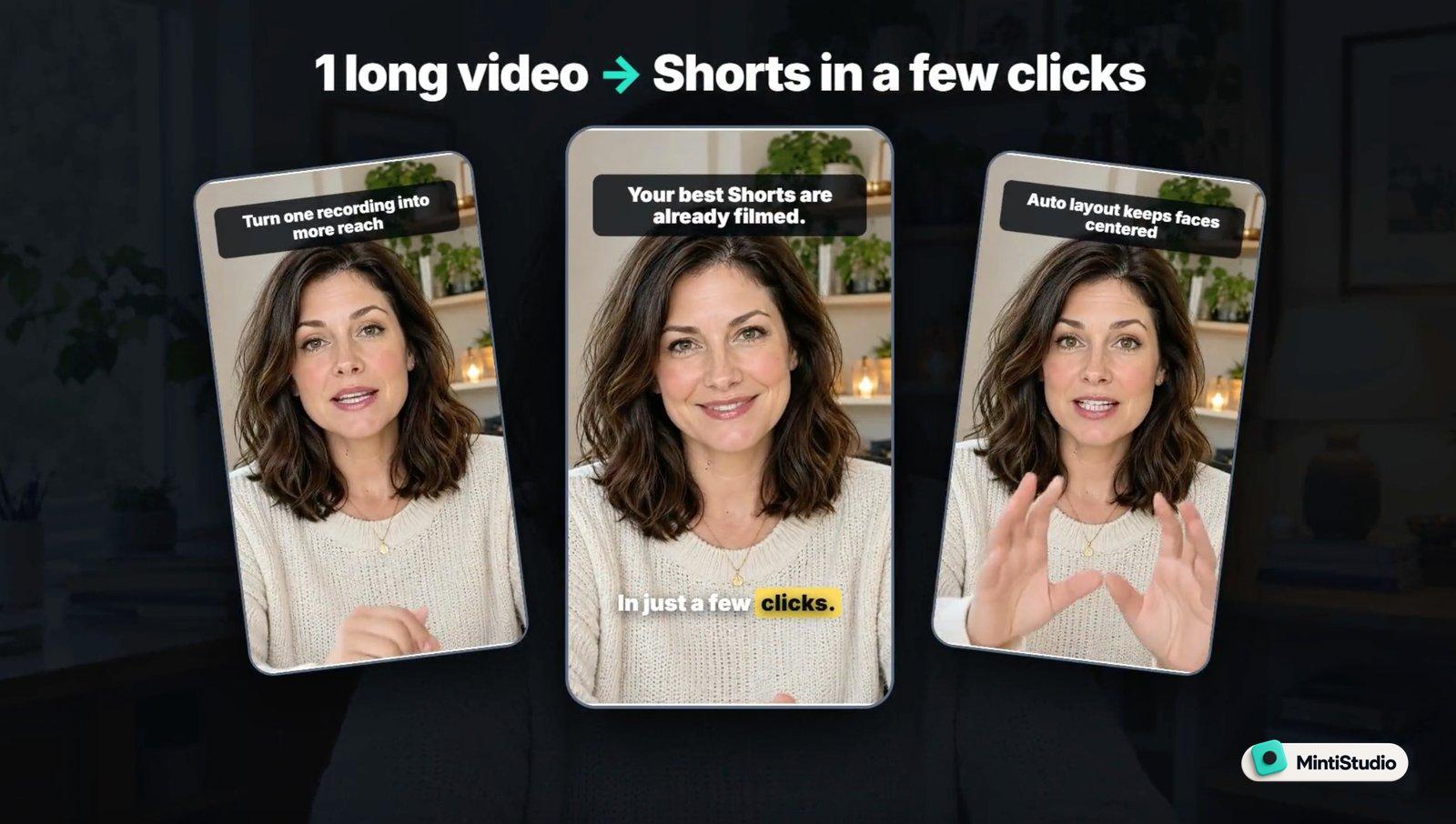
You do not need to guess the entire future of discovery. You do need to plan for more than one entry point.
Discovery surfaces are changing, but the quality test stays the same
YouTube’s newer surfaces may change where a viewer first sees your content. That does not remove the need for clear positioning, a direct opening, and a lesson that stands on its own.
Search can still work when the question is explicit
When a viewer already knows what they need, search remains one useful entry point. Clear language, a focused title, and a specific problem statement can still help the right person find the lesson.
Recommendations can still work when the topic fits the viewer’s history
Recommendations depend on how the lesson fits what a viewer has already watched. If the video is broad and blurry, it is harder to place well. If the video is specific and well framed, it is easier for the system to match it to related viewing patterns.
Shorts can still act as a doorway
Shorts remain a useful way to give a new viewer a quick sample of your thinking. A short clip can act like a doorway into a fuller lesson when the topic is clear and the framing is useful.
Shopping surfaces matter only if your content supports them
If YouTube gives more room to shopping-related discovery, that helps creators whose content is already tied to a product, service, or offer. But it only works when the lesson naturally points toward a next step.
That is especially relevant for consultants, coaches, and educators who sell an offer after the video.
A simple test for the next few uploads
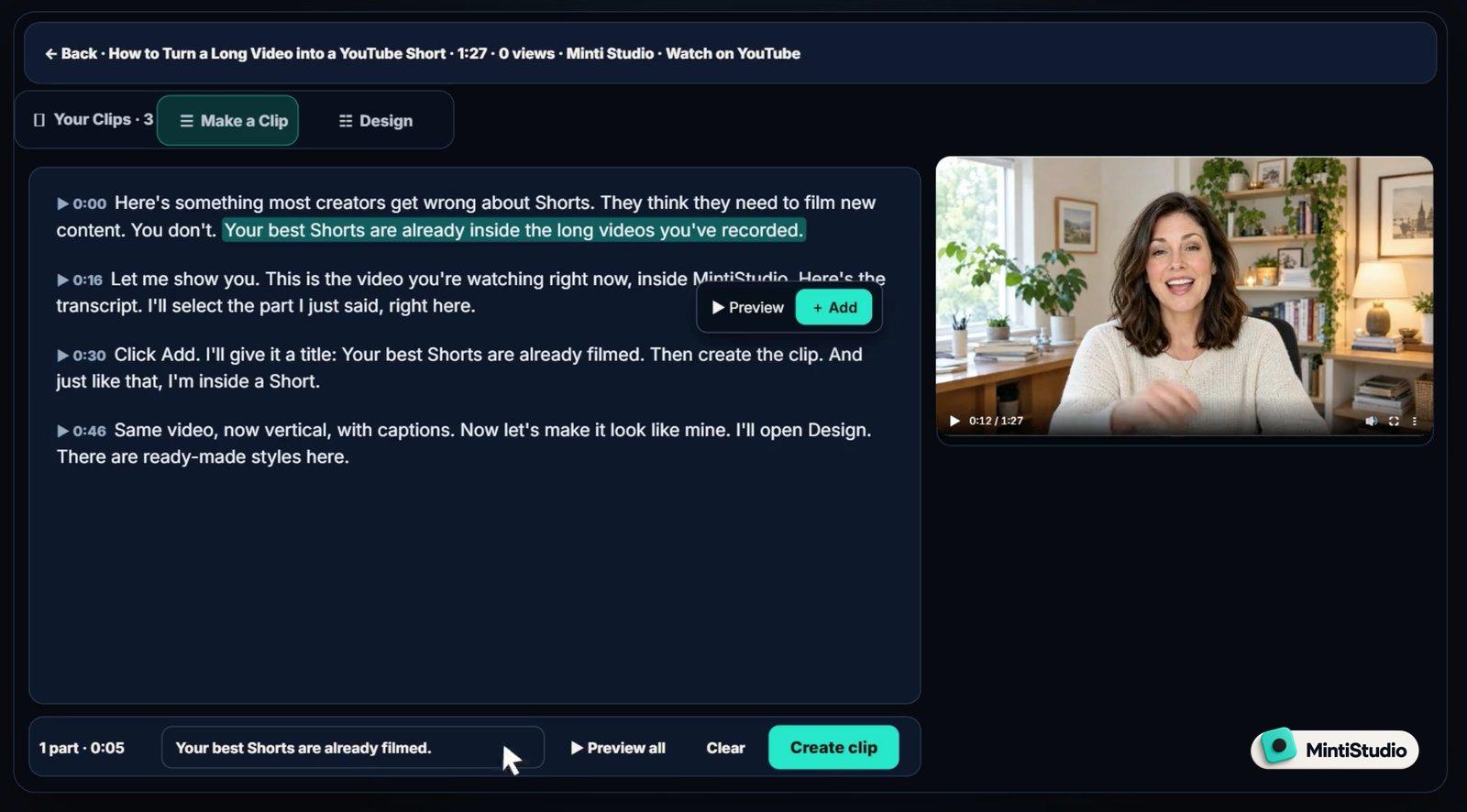 Screenshot from Minti Studio
You do not need a complex experiment.
You need a repeatable one.
Test one lesson type
Choose one kind of video and keep it consistent for a short stretch. For example, you might test:
- problem-solving lessons
- offer-explainer lessons
- objection-handling lessons
- comparison lessons
Test one audience question
Pick a question buyers actually ask. That makes it easier to judge whether discovery is helping the right people arrive.
Test one outcome
Decide in advance what success means.
It might be:
- more qualified comments
- more clicks to the next step
- more watch time from the right viewers
- more people saving or sharing the lesson
Test one distribution shape
Use the same basic packaging for a few uploads so you can see the pattern without changing everything at once.
Where Minti Studio helps
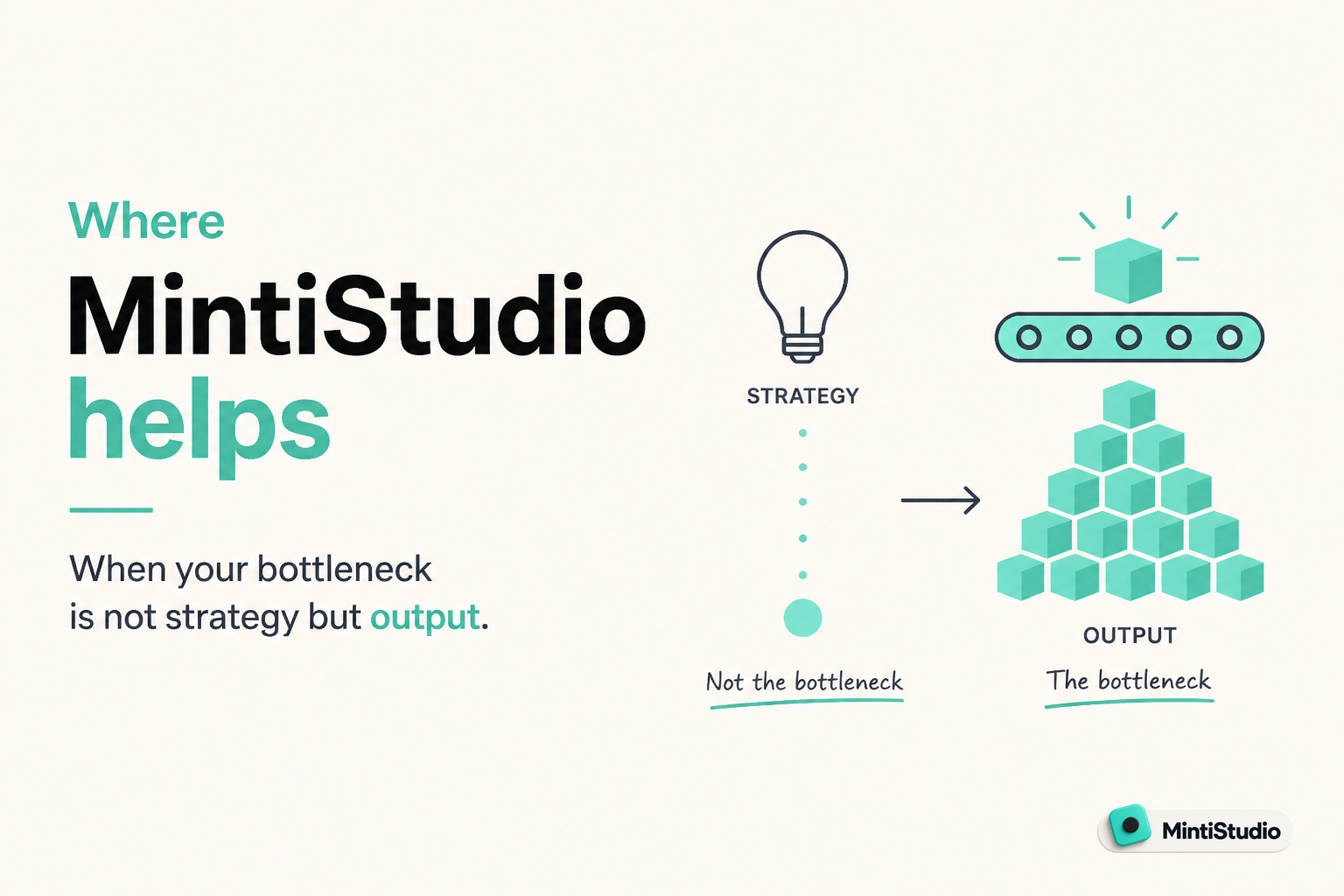
Minti Studio helps when your bottleneck is not strategy but output.
If you already have recorded lessons, you can paste a YouTube link or upload a file and use AI clip suggestions plus transcript-based selection to pull out the moments that answer a buyer question. That is useful when you want to test discovery with more than one Short, but you do not want to spend the week manually hunting for the right cut.
If your lesson was recorded horizontally, Minti Studio can reframe it to vertical so the Short is ready for mobile discovery. Caption style templates help keep the lesson readable, while the publishing calendar helps you space out the clips so you can compare what works.
Autopilot fits when you have the recordings but not the time to run the clipping workflow yourself. You share your YouTube channel link, and Minti Studio handles the clip selection, captioning, titles, reframing, and scheduling prep while you review every prepared Short before anything goes out.
That is useful for busy solo experts who need a steady stream of lesson excerpts without adding another editing job to the week.
A workflow that keeps you grounded
When platforms change, a calm workflow matters more than a clever guess.
Step one: keep the lesson tied to a buyer question
Start with the question your reader or viewer already has. That keeps the content useful even if the discovery path changes.
Step two: make the opening do real work
The first few seconds should tell the viewer what the lesson is about and why it matters. If the opening is vague, the viewer has to work too hard.
Step three: cut for a clear standalone moment
A Short should make sense on its own. Select a segment with one clear point, not a segment that only works because the long intro came first.
Step four: keep the visual format clean
If the lesson is going to be found on mobile, the vertical version has to stay readable. Reframing and captions are not decoration; they are part of comprehension.
Step five: publish and observe
Look at which videos attract the right kind of viewer. Then adjust the next set of clips around that pattern.
Record the core lesson
Capture one clear teaching session that answers a real buyer question.
Pull the strongest moments
Use transcript selection or AI suggestions to find the lines that stand on their own.
Reframe and caption the clip
Turn the horizontal recording into a vertical Short and make the text easy to follow.
Schedule the clip
Space the clips out so you can see what the new discovery path rewards.
What not to overread
It is easy to mistake a platform update for a strategy change.
Do not assume every feature helps your business
Some updates are useful for discovery, some are useful for shopping, and some are mostly about viewer behavior. Your job is to sort the signal from the announcement.
Do not rebuild your whole channel too soon
If your current videos already answer real questions, you do not need to throw them out. You may just need cleaner packaging and better repurposing.
Do not confuse exposure with fit
If a new surface sends you more viewers who do not match your buyer, that is not growth. The right measurement is whether the audience is more relevant.
A practical way to think about the opportunity
The opportunity in discovery changes is not that YouTube will suddenly do your marketing for you.
The opportunity is that your useful lesson might show up in more places if it is packaged well.
That is good news for solo experts who already have strong recordings. One lesson can become a small set of search-friendly, feed-friendly, and short-form entry points.
The strongest setup is still simple:
- one clear buyer problem
- one clear lesson
- one clear next step
- one repeatable workflow
Related guides
- Help Buyers Find Your Expertise Before They Know Your Name
- How to Test the Opening of Your Expertise Videos Before Reworking Your Whole Channel
- YouTube Shorts for Consultants: A Practical Workflow for Public Proof Without Sharing Client Confidentials
The practical next step
If discovery shifts, keep your focus on the lesson, the buyer question, and the next step.
Then make the workflow easier to repeat.
If you already have the long videos, Minti Studio can help you turn them into Shorts that are ready to test against new discovery paths without starting from scratch each time.
Start free with Minti Studio and turn your next lesson into a cleaner discovery path.
More from the blog
How Busy Doctors Can Grow a YouTube Channel in One Hour a Week
A practical weekly workflow for doctors who want a steady YouTube channel without turning content into a second job.
YouTube Shorts for Doctors: The Complete Guide
A practical guide for doctors and clinicians who want to use YouTube Shorts for education without turning content into a second job. Learn how to choose safe, useful topics, keep the tone professional, build a simple workflow, and use Minti Studio when your real bottleneck is turning recorded expertise into publishable Shorts.